Barhi: The Date Eaten at Every Stage
Most dates are enjoyed at just one stage, usually dried tamr or soft rutab. Barhi (also spelled Barhee) is the rare exception: it is delicious at all three edible stages, khalal, rutab, and tamr. That versatility makes Barhi the single best variety for learning how a date ripens, which is why produce specialists like Specialty Produce, John Vena, and Coachella's Best Dates feature it so often. If you have searched for the barhi rutab stage, this is the variety that makes the whole arc click.
Khalal Stage: Yellow, Crunchy, Apple-Like
At the khalal stage, Barhi is golden-yellow and crisp like a fresh apple. It is honey-sweet with a light astringency, high in moisture yet still firm, so it crunches when you bite it. In this stage Barhi is eaten out of hand or tossed into salads, a fresh snacking date unlike anything in the dried-date aisle. Yellow Barhi khalal is the famous version sold fresh on the branch in season.
Rutab Stage: Ombre Brown, Caramel and Toffee
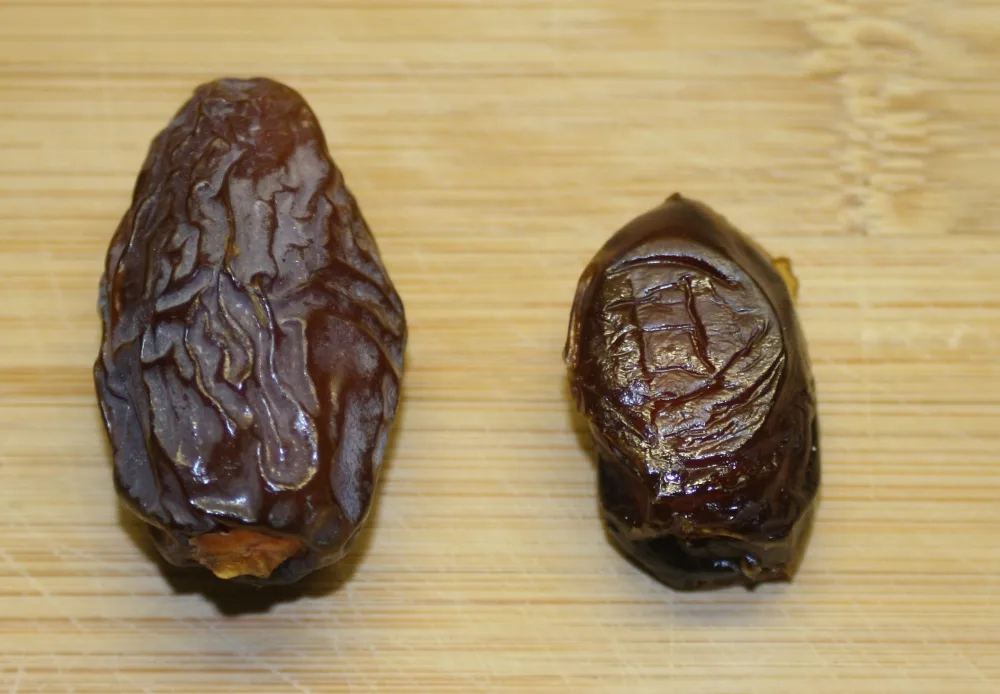
As ripening continues, the yellow fades to brown in a beautiful ombre, and Barhi enters the rutab stage. Now it turns soft, increasingly sweet, and develops a caramel flavor with notes of toffee. In the rutab stage Barhi behaves much like a Medjool: blended into drinks, stuffed, baked, or simply eaten as is. This is the wet, melting form most people mean by fresh dates.
Tamr Stage: Dried, and Seldom Used
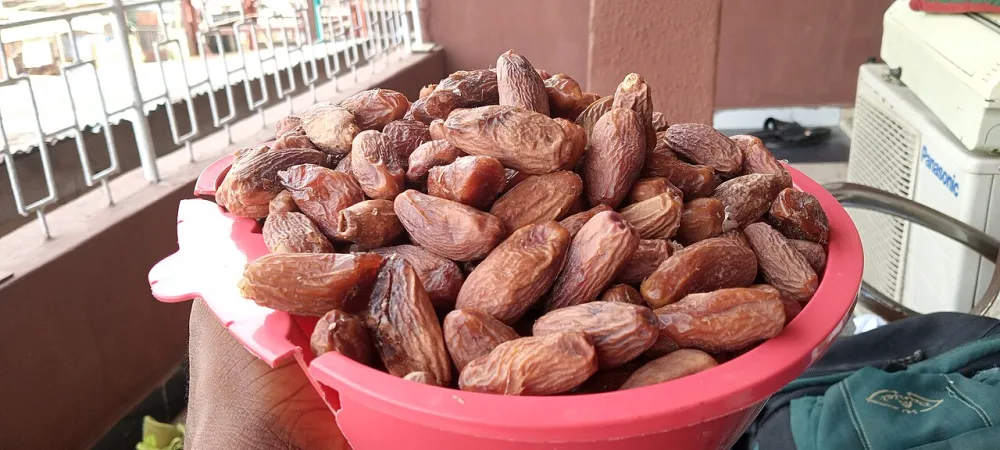
At the final tamr stage, the fruit darkens further and its water content drops to its lowest, technically dry though still fairly moist. Interestingly, Barhi is usually eaten fresh and only seldom in the wrinkled dried form, which is why most shoppers know it as a fresh-eating date rather than a pantry staple.
| Stage | Color | Texture | Flavor | Typical Use |
|---|---|---|---|---|
| Khalal | Golden-yellow | Crisp, apple-like | Honey-sweet, lightly astringent | Fresh snacking, salads |
| Rutab | Yellow-to-brown ombre | Soft, melting | Caramel, toffee | Eaten as is, baking, drinks |
| Tamr | Dark brown | Firmer, still moist | Concentrated sweet | Seldom; usually eaten fresh |
Why Barhi Is the Textbook Teaching Variety
Because Barhi is genuinely good at every stage, it lets you taste the khalal-to-rutab-to-tamr journey in a single variety, no theory required. That is the exact arc we map quantitatively on our date maturation stages pillar, where FAO moisture figures define each step. Barhi turns that table into something you can hold and eat.
Barhi and KL-1: Indonesia's Tropical Connection
Barhi has a special link to Indonesia. The tropical cultivar KL-1, widely grown in Indonesian date gardens, is a Barhi x Deglet Noor cross that originated in Thailand and adapts to humid climates. According to Indonesia's Directorate General of Horticulture and reports by Trubus, KL-1 is harvested at the rutab stage, around 150 days after pollination, because tropical humidity prevents on-tree drying. So when you see fresh yellow dates from Indonesian farms, you are often looking at Barhi genetics.
Availability and How to Enjoy
Fresh yellow khalal Barhi is highly seasonal and prized when it appears. Soft rutab Barhi is more widely available frozen and thawed to order, keeping that caramel character year-round. If you want to explore wet dates more broadly, our Rotab Bam (Mazafati) offers the darkest, wettest rutab, while Medjool Palestine gives you the large caramel profile Barhi rutab is often compared to. Store any fresh Barhi cold, just as you would any rutab.
Where Barhi Comes From
Barhi traces its roots to Basra in southern Iraq, and its name is often linked to the Arabic word for a hot wind, a nod to the desert heat in which it thrives. From Iraq it spread to the Gulf, North Africa, California's Coachella Valley, and, through the KL-1 cross, to tropical Asia. Today Barhi is prized worldwide precisely because it delivers at every stage, a quality few varieties share.
How to Eat Barhi at Each Stage
Each stage invites a different way of eating. Crunchy yellow khalal Barhi is best fresh and cold, eaten like grapes by the handful or sliced into salads for a sweet, apple-like crunch. Soft rutab Barhi shines on its own, stuffed with nuts or cheese, blended into smoothies, or chopped into cakes and energy bars. The rarely seen dried tamr Barhi can be stored longer and used like any dried date. Matching the stage to the use is the secret to enjoying this variety fully.
Barhi vs Medjool at the Rutab Stage
People often compare rutab-stage Barhi to Medjool, and for good reason: both are soft, caramel, and luxurious. The difference is subtle. Medjool tends to be larger with a deep toffee richness, while rutab Barhi is a touch lighter and more delicate, with that ombre transition still visible on some fruit. If you enjoy Medjool, soft Barhi is a natural next discovery, and our Medjool Palestine makes an easy side-by-side reference.
A Note on Freshness and Quality
Whatever the stage, quality Barhi should smell clean and sweet and feel appropriate to its stage: firm and crisp at khalal, soft and yielding at rutab. Because rutab Barhi is high in moisture, treat it like fresh produce and keep it cold from the moment you receive it.
Barhi and the Numbers of Ripening
Because Barhi is good at every stage, it is the best way to taste the changing numbers, not just the colors. The table below ties each Barhi stage to a moisture range and flavor, following the general pattern of date ripening per FAO data and the Barhi maturation figures widely cited by researchers.
| Stage | Moisture | Color | Dominant Flavor |
|---|---|---|---|
| Khalal | ~50–85% | Golden-yellow | Honey-sweet, lightly astringent |
| Rutab | ~30–45% | Yellow-to-brown ombre | Caramel, toffee |
| Tamr | <25% | Dark brown | Concentrated sweet |
Notice the pattern: as moisture drops from over 50 percent at khalal to 30 to 45 percent at rutab, texture moves from crisp to melting and flavor shifts from lightly sweet to caramel. That is the lesson that makes Barhi irreplaceable as a teaching variety: you can literally taste every row of this table in a single cultivar.
Summary
Barhi is the date you can eat at every stage: crunchy yellow khalal, soft caramel rutab, and dried tamr. That versatility makes it the perfect teaching variety for the maturation arc, and its KL-1 lineage ties it directly to Indonesia's own tropical, rutab-stage harvest.