Ruthob (Rutab) Is the Third Ripening Stage of the Date Fruit
Ruthob (rutab) is the third ripening stage of the date fruit (Phoenix dactylifera) — the wet/fresh date phase when the flesh softens, turns light brown to amber, and the moisture falls to roughly 30–45%. Rutab comes after khalal (the crisp yellow/red stage) and right before tamr (dried dates). That is the short definition to know first.
With that core definition set, let us dig deeper — because many articles online wrongly equate rutab with a particular variety, when rutab is a stage, not a type of date.
Rutab Is a Stage, Not a Variety
The most common misconception is treating rutab as one kind of date. In fact, nearly all date cultivars pass through the rutab stage on their way to ripeness. Mazafati/Rotab Bam from Iran is the purest example because it is harvested and enjoyed exactly at this stage, but Barhi, Sukkary, and many others can also be tasted at the rutab phase. Distinguishing the stage (rutab) from the variety (Ajwa, Sukkary, Medjool, and so on) is the key to understanding dates correctly.
Traits of Rutab Dates
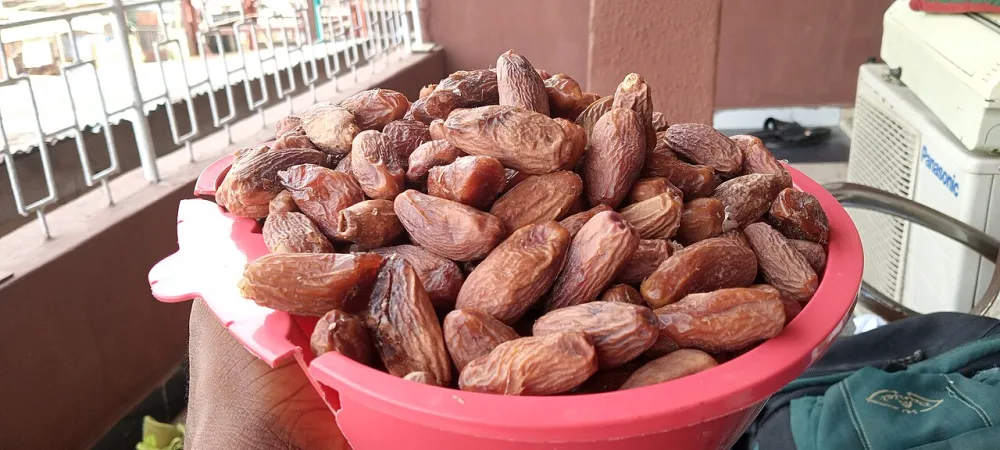
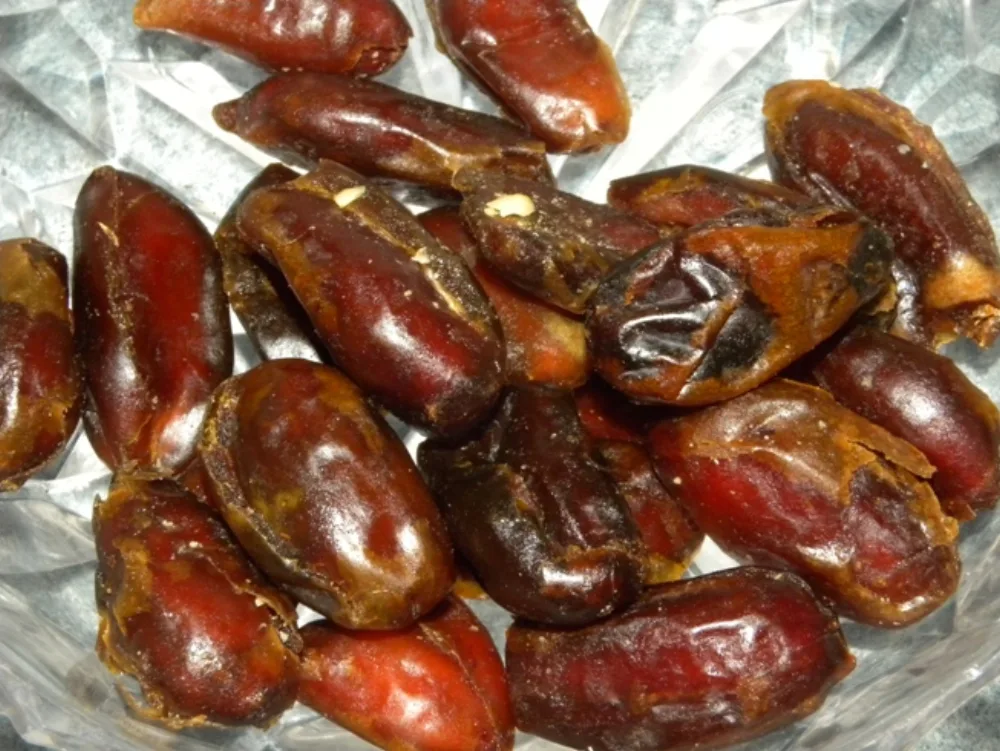
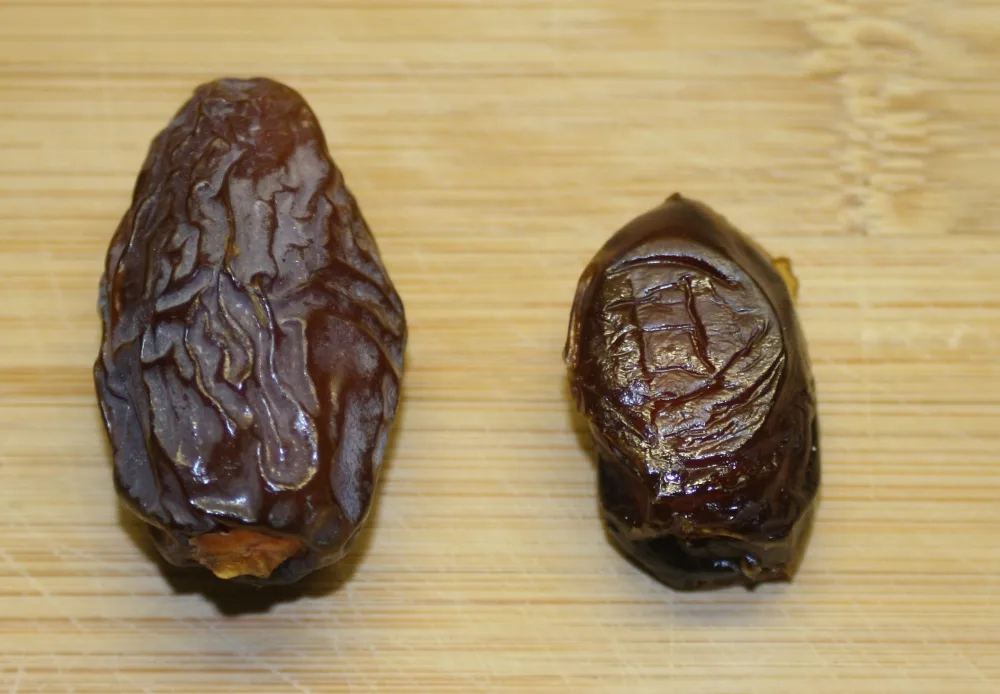
- Soft, melting texture — moist flesh that is soft in the mouth
- Thin skin — easy to peel, sometimes starting to slip from the tip
- Light brown to amber color — some fruit still keeps a yellow khalal tinge
- Honeyed sweetness — lighter and fresher than dried dates
- High moisture (30–45%) — above the 25% threshold, so it is perishable and needs cold storage
Spelling: Ruthob, Ruthab, Rutab, or Rotab?
You will meet many spellings. They all refer to the same thing:
- Rutab — the academic/scientific transliteration used by FAO and journals
- Ruthob / Ruthab — popular spellings in Indonesian articles
- Rotab — the Persian spelling, common for Iranian products like Rotab Bam
In English, rutab is often called wet dates or fresh dates. Whatever the spelling, the meaning holds: the wet date stage before drying.
A Little Botany: Parts of the Date Fruit
The date is a single-seed drupe with a thin outer skin (exocarp), flesh (mesocarp) that thickens and sweetens as it ripens, and a thin layer around the seed (endocarp). At the rutab stage, it is this mesocarp that softens and fills with simple sugars, giving the signature melting sensation.
Why Rutab Is Spiritually Special
Rutab holds a unique place: it is the only fruit named in the Quran in a miracle context. In Surah Maryam verse 25, Maryam is told to shake the trunk of the palm so that rutaban janiyya — fresh, newly picked rutab dates — fall to her. We cover this in depth in our dedicated article on rutab in the Quran.
A Brief Nutrition Note
As a wet date, rutab is rich in easily digested natural sugars (glucose and fructose), fiber, potassium, and B-complex vitamins, making it a quick energy source. Our health framing is always conservative: dates support energy and fiber intake, they do not cure disease. This is educational, not medical advice.
Common Misconceptions About Rutab
Many popular articles get rutab wrong. The three most frequent mistakes:
- Equating rutab with a single variety — when rutab is a stage that nearly all date cultivars pass through.
- Mixing rutab with a particular cultivar — for example writing that rutab and ajwa are two equal types of date, when ajwa is a variety and rutab is a ripening phase.
- Citing a wrong origin — some articles tie rutab to just one country, when rutab is universal across the date world.
Clearly separating the stage (rutab) from the variety (Ajwa, Sukkary, Medjool, Mazafati) is the first step to understanding dates correctly, and that is Rutabpedia's core mission.
Rutab in English: Wet Dates and Fresh Dates
If you search in English, rutab is most often called wet dates or fresh dates. The term soft dates is also used for soft-textured dates, while tamr is called dried dates. Knowing these equivalents helps expat buyers, embassies, and HoReCa operators in Jabodetabek who shop in English, and helps you navigate international scientific literature that uses the words rutab and khalal.
Why Understanding Rutab Is Useful
By understanding rutab, you can choose dates by need, store them correctly so they do not sour quickly, and appreciate why fresh dates are seasonal. This understanding also opens an appreciation for rutab's place in the Quran and Sunnah, and the fascinating science behind its changing flavor and texture.
Why Are There So Many Spellings?
The variety of rutab spellings stems from transliterating Arabic letters into the Latin alphabet. The original word comes from a root meaning soft and moist. When transliterated, different languages and writing habits produce different forms: rutab is used in scientific writing and bodies like FAO, ruthob and ruthab are popular in Indonesian media, while rotab follows the Persian pronunciation in Iran. None is wrong; all are valid as long as the meaning stays the same — a date at the wet stage. Understanding this prevents confusion when you meet products or articles with different spellings in the market or in the literature.
Conclusion
In short, rutab is the wet date stage — the third ripening phase, soft, sweet, and perishable. Understanding it opens the door to the whole date cycle, from hababouk to tamr, and to why season and cold chain matter so much for fresh dates.