Why the Moisture Number Decides Everything
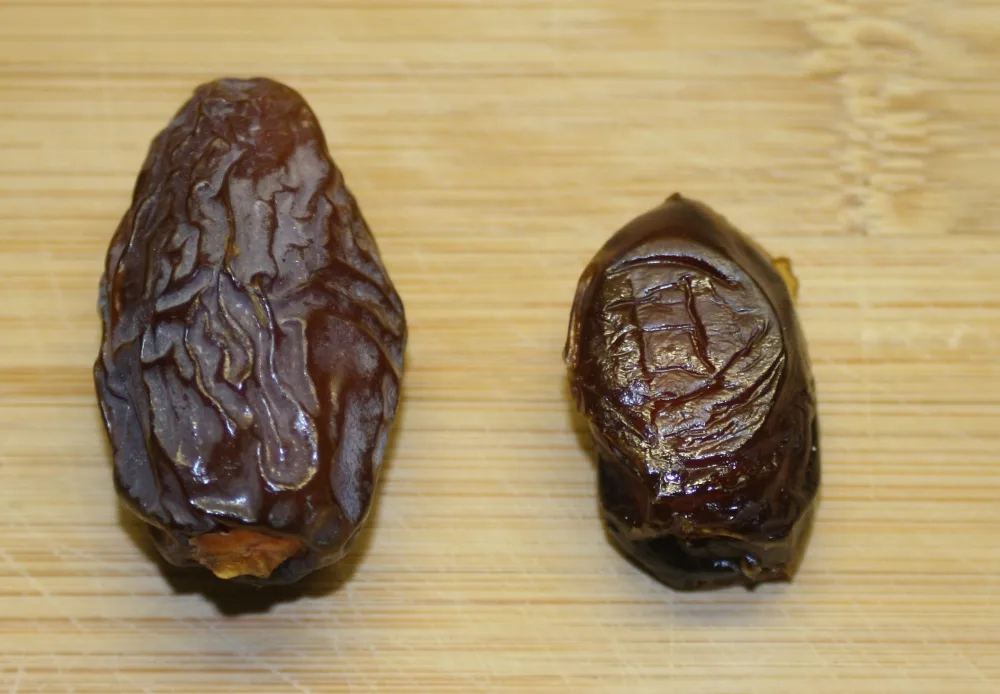
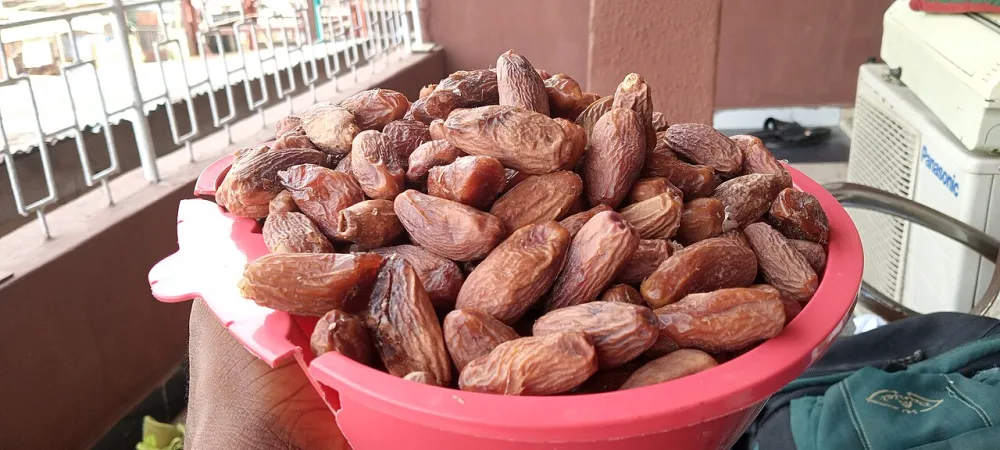
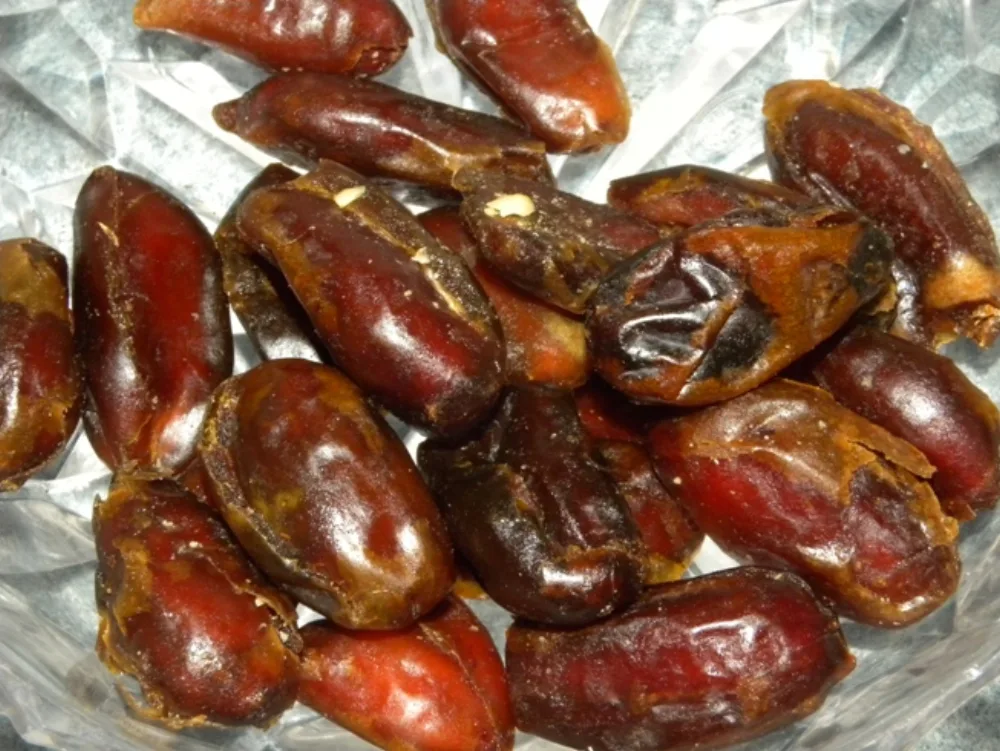
Many articles call rutab a wet date without ever explaining the figures. Yet it is precisely the moisture content of rutab that determines flavor, texture, shelf life, and season. According to FAO, rutab holds about 30–45% moisture, while tamr (dried dates) falls below ~25% down to about 10%. This ~25% threshold is the dividing line between self-preserving dates and perishable ones.
Water Activity and the 25% Threshold
Behind the moisture figure lies an important concept called water activity — a measure of how much water is available to microorganisms. Above about 25% moisture, the free water in a date is enough to support yeast and mold growth. Because rutab sits at 30–45%, it is naturally perishable. Tamr, below 25%, has too little free water for microbes, so it keeps without refrigeration.
The Sugar Shift: From Sucrose to Invert
The chemistry of rutab is just as interesting. As the date ripens from khalal to rutab to tamr, sucrose (table sugar) gradually breaks down into invert sugars — glucose and fructose. At the rutab stage, the proportion of invert sugar rises, giving the signature, easily digested honeyed sweetness. At tamr, almost all sucrose has converted into concentrated invert sugars. This shift is documented in date-fruit chemistry reviews and scientific literature.
| Parameter | Rutab | Tamr |
|---|---|---|
| Moisture | ~30–45% | Below ~25% (down to ~10%) |
| Dominant sugar | Invert (glucose+fructose) rising | Invert dominant, concentrated |
| Energy density | Lower per gram | Higher per gram |
| Storage nature | Perishable, needs cold | Self-preserving |
Why Rutab Dates Spoil and Ferment Quickly
The combination of high water and abundant simple sugars makes rutab an ideal medium for yeast. At room temperature, yeast ferments the sugars into alcohol and acids, so rutab smells and tastes sour, sometimes foaming. This is the scientific answer to why rutab spoils fast: not poor quality, but its naturally wet, sweet nature.
Cold Chain: Why It Is Mandatory for Fresh Dates
For these reasons, fresh dates demand a cold chain from orchard to consumer. In practice:
- Importers store rutab at very cold temperatures, commonly around -18 to -20 degrees Celsius
- At home, keep rutab in an airtight container in the fridge for several weeks
- For long-term stock, freeze up to about one year; slow thawing restores texture
Without chilling, hour after hour at room temperature accelerates fermentation. That is why we always emphasize chilling for rutab and rotab products.
Why a Tropical Climate Speeds Spoilage
Indonesia's warm, humid weather is its own challenge for wet dates. High room temperature speeds up yeast metabolism, while humid air keeps the date surface moist and supports microbial growth. That is why rutab that might last a few days at room temperature in a cool country can sour faster in Jakarta or other Jabodetabek cities. The practical lesson is clear: in a tropical climate, chilling is not merely an option but a necessity to keep rutab safe to eat and enjoyable.
Nutrition Implications, Conservatively
Because it is wetter, rutab is relatively higher in water and some vitamins, with lower energy density per gram than tamr. Both provide natural sugars and fiber. We frame this carefully: dates support energy and fiber intake, they are not medicine. This is educational, not medical advice.
Signs Rutab Is Starting to Ferment
Because rutab is prone to fermentation, it is important to recognize the signs early:
- A sour or alcohol-like smell — the earliest and clearest symptom
- A sour taste replacing its honeyed sweetness
- Small bubbles or foam on the surface or in the date liquid
- A slimy texture and a pungent odor
If these signs appear, the dates should not be eaten. Prevention is simple: keep rutab cold from the start and do not leave it too long at room temperature, especially in a warm, humid tropical climate like Indonesia's.
Storing Rutab at Home
Storing wet dates is actually easy once you understand the principle — suppressing water activity and slowing yeast through low temperature. Practical steps:
- Transfer rutab to an airtight container right after opening
- Keep it in the fridge chiller for consumption within a few weeks
- Portion small amounts and freeze the rest for stock up to about one year
- Thaw slowly in the chiller, not at room temperature, so texture recovers without triggering fermentation
This way, the softness and flavor of rutab last far longer.
Why Importers Use Very Cold Temperatures
At scale, importers do not merely chill rutab; they freeze it at very low temperatures, commonly around -18 to -20 degrees Celsius. At these temperatures, water activity drops sharply so yeast and mold practically stop working, and the dates can be stored across seasons without losing texture. This is the heart of the fresh-date cold chain — a system that lets rutab be enjoyed year-round, far from its harvest window.
Summary
The 30–45% moisture and the shift to invert sugars explain almost everything about rutab: its softness, honeyed flavor, vulnerability to fermentation, and need for a cold chain. These figures are what separate fresh dates from dried dates.