Three Stages, Three Different Characters
A frequent question: what is the difference between khalal, rutab, and tamr? These are three sequential ripening stages, and the difference is not just color but moisture, sugar profile, texture, and shelf life. Understanding it also directly answers another popular question: what is the difference between wet and dried dates? In essence, wet dates are rutab, and dried dates are tamr.
Comparison Table: Khalal vs Rutab vs Tamr
| Aspect | Khalal | Rutab | Tamr |
|---|---|---|---|
| Color | Yellow/red | Light brown | Amber–dark brown |
| Moisture | ~50–85% | ~30–45% | Below ~25% (down to ~10%) |
| Texture | Crisp, hard | Soft, wet, melting | Dry, chewy |
| Flavor & sugar | Sweet-astringent, sucrose | Honeyed, invert rising | Deeply sweet, invert dominant |
| Shelf life | Short | Perishable (needs cold) | Durable, self-preserving |
| Use | Eaten fresh/crisp | Iftar, fresh dates | Stock, export, cooking |
Khalal: Crisp Like an Apple
At khalal, the date is physiologically mature but still hard and crisp, bright yellow or red. It tastes sweet with a touch of astringency. Some varieties like Barhi are popularly eaten at the khalal stage for their crunch. Commercially, this yellow date has its own market, distinct from our encyclopedic focus.
Rutab: Soft, Wet, and Honey-Sweet
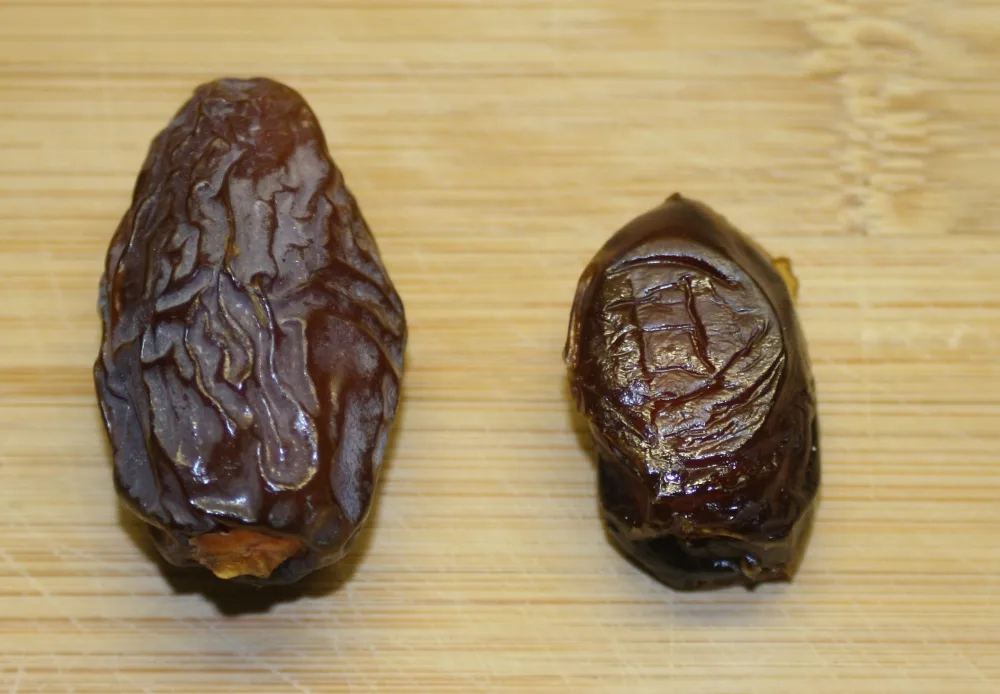
Rutab follows khalal. The flesh softens from the tip, the color browns, and moisture drops to 30–45%. The sugars shift to invert form (glucose and fructose), giving a clean honeyed sweetness and a melting texture. Because it is still moist, rutab is best eaten fresh and is the top choice for breaking the fast — but it spoils easily without cold storage.
Tamr: Dry, Concentrated, and Long-Lasting
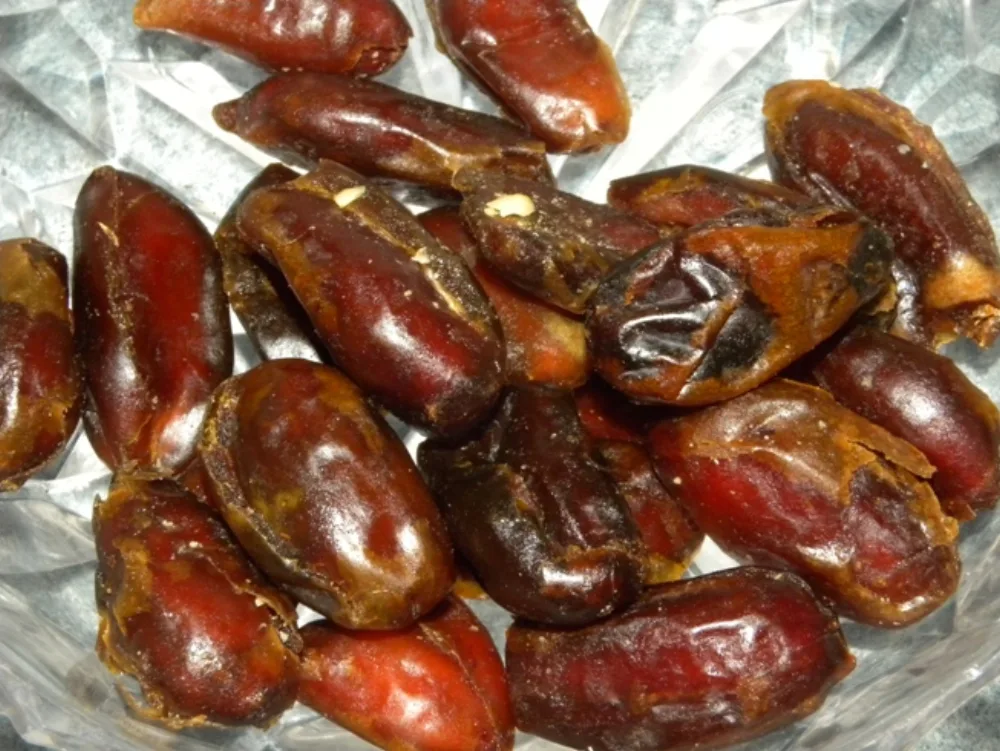
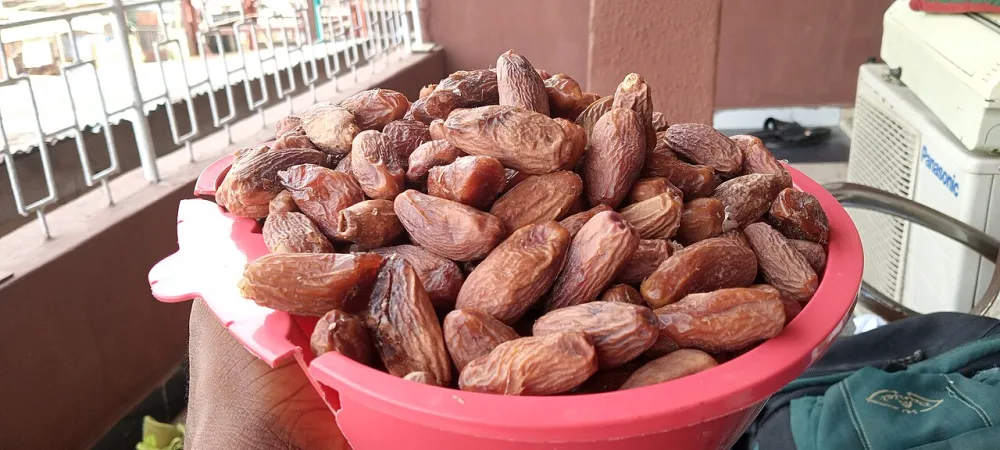
Tamr is the final stage. Moisture is below 25%, mostly down to about 10%, so the date becomes self-preserving without refrigeration. Its sweetness is concentrated as the sugars condense, and the texture is chewy. This is the most commonly exported and long-stored form of date.
Wet vs Dried Dates: In Short
- Wet dates (rutab) — high moisture, soft, fresh, need cold, seasonal
- Dried dates (tamr) — low moisture, chewy, durable, available year-round
- Both can come from the same variety; the difference is ripeness and moisture
Rutab vs Tamr in Nutrition
Because rutab is wetter, it is relatively higher in water and some vitamins (including vitamin C), but lower in energy density per gram. Tamr, with less water, is more energy-dense but has reduced vitamin C. This is a natural compositional trade-off between two stages, not a matter of one being absolutely superior. This is educational, not medical advice.
Real Examples at Each Stage
To keep it concrete, let us tie each stage to a real date example:
- Khalal — crisp yellow Barhi is the classic example of a date enjoyed at this stage.
- Rutab — Rotab Bam (Mazafati) from Iran is the purest example: dark, wet, and melting at ~32–35% moisture.
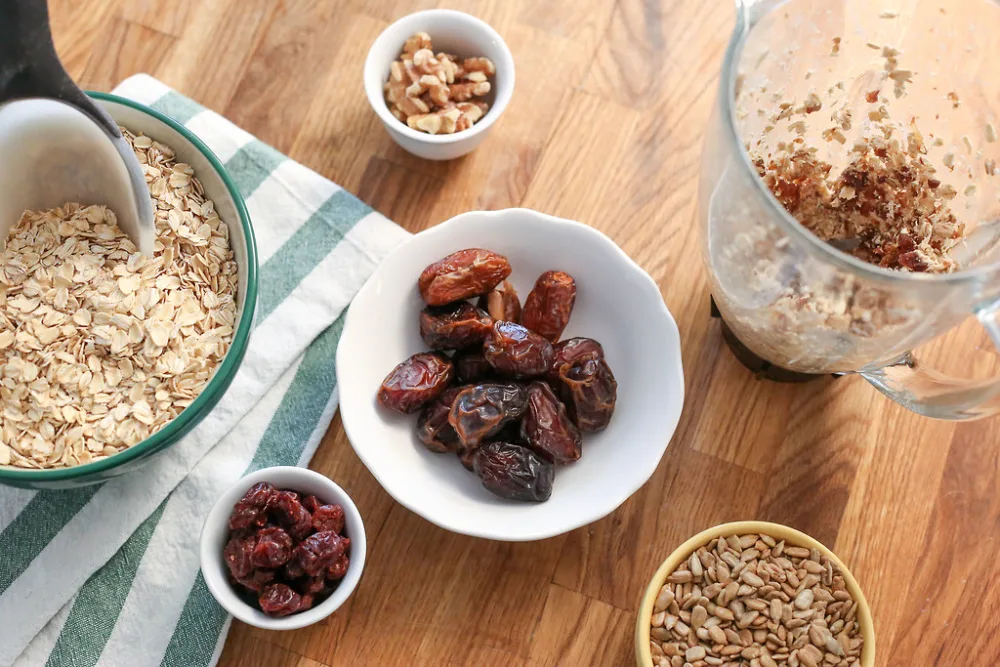
- Tamr — the hard dried dates commonly sold on store shelves year-round, durable without refrigeration.
By comparing these three examples directly, the differences in moisture and texture become very tangible, not just theory on paper.
Common Mistakes in Telling Stages Apart
The most frequent mistake is judging a date only by its dark color and concluding that all brown dates are the same. Yet rutab and tamr can both be brown while differing greatly in moisture. Another mistake is assuming wet dates are always fresher or better than dried dates. In fact, both are simply different stages with different uses: rutab excels in freshness, tamr in shelf life.
How to Choose by Need
If you value a soft, fresh eating experience, especially for iftar, choose dates at the rutab stage and make room in the fridge. If you need practical, long-lasting stock for daily use or gifts, tamr is the right choice. Understanding stages helps you shop with the right expectations and avoid disappointment.
Quick Recap: Wet vs Dried Dates
For easy recall, here is the essence of the difference:
- Wet dates (rutab) — 30–45% water, soft and melting, honeyed sweetness, perishable, need a fridge or freezer, available seasonally or frozen.
- Dried dates (tamr) — below 25% water, chewy and dense, concentrated sweetness, self-preserving, available year-round at room temperature.
- In common — both can come from the same variety and both provide natural sugars and fiber.
With this recap, you can explain the difference between wet and dried dates to anyone in just a few sentences, while understanding why each is handled differently in storage and distribution.
Which Stage Is More Expensive?
In general, fresh dates at the rutab stage demand higher logistics costs because they must be held on a cold chain and are seasonal, so their prices can be more volatile. Dried dates (tamr) are more stable in price and available year-round because they store and ship easily without refrigeration. This factor often explains price differences in the market, not quality alone.
Which Should You Choose?
Choose rutab if you want freshness, softness, and a special iftar experience. Choose tamr if you need durable, practical stock. Both are good; what matters is understanding each stage's character so your taste and storage expectations are right.