Rutab, the Fruit Named in a Quranic Miracle
Among the many mentions of dates in the Quran, one moment stands out: rutab is named specifically in a miracle context. In Surah Maryam, verse 25, Allah commands Maryam, who has just given birth, to shake the trunk of the palm: tusaaqit alayki rutaban janiyya — so that fresh, newly picked rutab fall to her. This makes rutab linguistically and spiritually special, distinct from the general mentions of dates (tamr) elsewhere.
The Meaning of Rutaban Janiyya
This phrase has two key words:
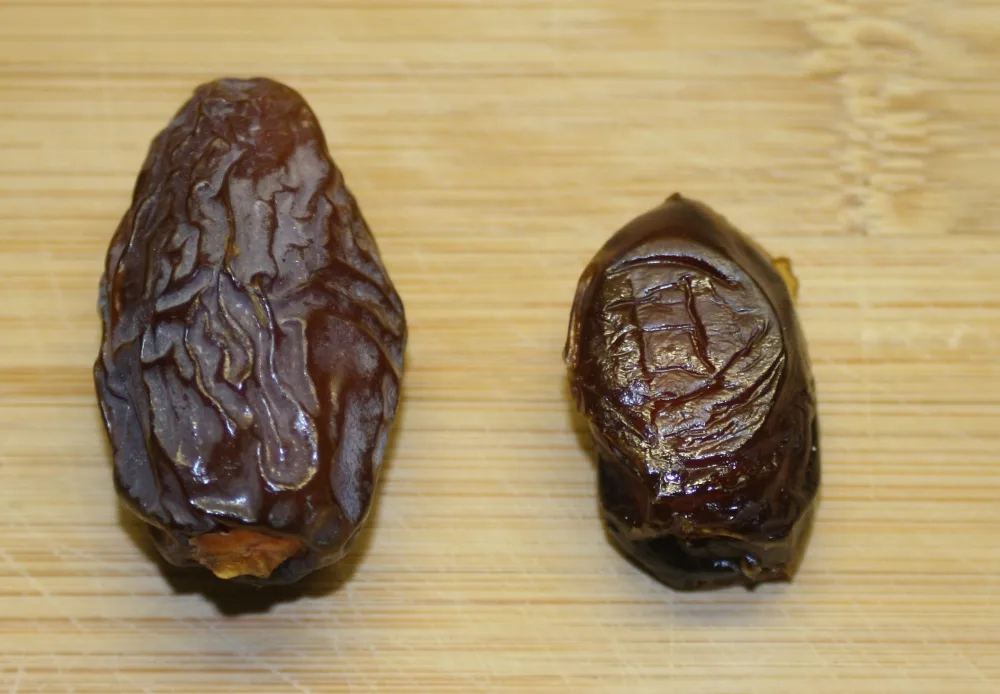
- Rutaban — a form of rutab, dates at the soft, fresh, ripe stage. The word choice shows the dates meant are not dried but exactly at the rutab stage.
- Janiyyan — meaning freshly picked or just fallen, fresh. It emphasizes perfect freshness at that very moment.
So rutaban janiyya can be understood as fresh, newly picked rutab dates — a picture of the best food for a mother after childbirth: soft, easily digested, and rich in quick energy. This word-by-word study is supported by Quran tafsir and translation sites.
Why Rutab, Not Tamr?
The choice of the word rutab in this verse is meaningful. Rutab is a soft, wet date that is easy to eat and digest, with simple sugars (glucose and fructose) that provide quick energy. For Maryam, weak after labor, rutab was a choice full of wisdom. Many scholars and writers note the harmony between the Quran's word choice and rutab's strength as an energy-restoring food — we present this carefully as reflection, not a medical claim.
Rutab in the Iftar Sunnah
Beyond the Quran, rutab also holds a primary place in the Sunnah. From Anas bin Malik, the Prophet Muhammad SAW broke his fast with rutab (fresh dates) first; if there was no rutab, then with tamr (dried dates); and if neither, he drank a few sips of water. This hadith is narrated by Abu Dawud (No. 2356) and graded authentic (sahih) by Shaykh Al-Albani in Irwa al-Ghalil (IV/45 No. 922).
The order of preference in the Sunnah: rutab (fresh dates) first, then tamr (dried dates), then water.
Important note: our discussion here focuses on the word study and the standing of rutab in the Quran and its Sunnah evidence, not a detailed worship guide. For practice, consult trustworthy scholars.
Rutab and Tamr: Two Words, Two Contexts
It is striking that the Quran and Sunnah use different words for dates according to context. In Maryam's story, the word used is rutab — a fresh, easily digested wet date, fitting her state at that time. In other contexts, dates are generally called tamr. This linguistic precision underscores that distinguishing ripening stages is no trivial matter; it appears even in sacred text. For the modern reader, it is a beautiful reminder that rutab and tamr really are two different stages with their own character and uses, exactly as food science explains today.
Why This Stage Distinction Matters
Understanding that the Quran and Sunnah name rutab specifically reaffirms Rutabpedia's main theme: rutab is a ripening stage (wet dates), not merely a trade name. This precision honors the text while clearing the confusion common in many articles.
Dates in the Quran in General
The date is the fruit most often mentioned in the Quran — more than twenty times, more than any other fruit. These mentions appear in various contexts: as a blessing, a parable, and a picture of paradise. Yet among them all, only in Surah Maryam 19:25 does the word rutab appear specifically naming the wet date stage, in the miracle context of the birth of Prophet Isa. This is what makes rutab special: not merely a date that is mentioned, but a date at a particular stage whose wording was chosen by the Quran.
The Wisdom of Choosing Rutab for Recovery
Writers and scholars often reflect on why rutab was named for Maryam after childbirth. Rutab is a soft wet date, easy to chew and digest, rich in simple sugars quickly absorbed into energy. For a mother weakened after labor, these qualities fit well. We offer this reflection as wisdom and awe at the Quran's word choice, not as a prescription or medical claim. As we always stress, dates support energy and fiber intake, they are not a cure for disease.
Manners in Approaching Rutab's Merit
Knowing rutab's merit should foster gratitude and a desire to practice the sunnah, not excess. This merit is one of faith and manners — respecting the text, understanding its meaning, and practicing it correctly. For detailed matters of jurisprudence and worship, consult trustworthy scholars. With this attitude, we reap the benefit of knowledge while maintaining care in our religion.
A Conservative Closing Note
Dates, including rutab, are a natural source of energy and fiber. The merit of rutab in the Quran and Sunnah is a merit of faith and manners, not a promise of medical cure. We present these references with respect and care: learn their meaning, practice the sunnah, and remain wise in consumption.